
Headliner cigarette burns present a unique repair challenge because the damage is immediately visible and the material cannot be easily accessed from behind. Unlike seat upholstery or door panels, headliners are backed by rigid foam substrate and installed before windshields in most modern vehicles, making removal and replacement labor-intensive. This guide examines practical repair approaches based on damage severity, customer expectations, and budget constraints. We’ll cover temporary cosmetic patches, professional fabric repair techniques, and full headliner replacement procedures including the hidden complications technicians encounter on late-model vehicles with integrated curtain airbags and complex electrical systems.
Assessing Damage Severity and Setting Customer Expectations
Before recommending a repair approach, examine the burn carefully under good lighting. Small burns (under 5mm diameter) that haven’t completely penetrated the fabric layer respond better to patching than larger burns that expose the foam backing. Check the headliner’s overall condition—sagging fabric, discoloration from sun exposure, or multiple smaller damages indicate full replacement may be more cost-effective than attempting isolated repairs.
The critical conversation with customers involves managing expectations about what “100% repair” actually means. No patch or fabric repair will make a burn disappear completely under close inspection. Professional upholstery repair can achieve approximately 80-90% invisibility from normal viewing distance (driver’s seat perspective), but direct overhead inspection will always reveal the repair. Full headliner replacement is the only true 100% solution, but involves significant labor costs—typically 2-4 hours depending on vehicle complexity.
Document the damage with photos before beginning any repair. For insurance claims or rental vehicle situations, proper documentation protects both shop and customer. Note the burn’s location relative to fixed features (sunroof edge, grab handle, dome light) and measure the damage diameter precisely. This documentation becomes essential if the repair attempt fails and escalation to full replacement becomes necessary.
Temporary Patch Solutions and Cosmetic Cover-Ups
For customers seeking immediate, low-cost concealment, several temporary solutions can reduce visibility while they arrange for proper repair. Fabric patch kits designed specifically for headliners include adhesive-backed material in common OEM colors (gray, black, tan, beige). The key to successful patching is matching both color and texture—headliner fabrics range from smooth knit to pronounced crosshatch weaves, and mismatched texture is more noticeable than slight color variation.
Application technique matters significantly. Clean the area around the burn with isopropyl alcohol to remove any residue or oils that interfere with adhesion. Trim any charred material carefully with sharp scissors—pulling or tearing creates larger damaged areas. Cut the patch slightly larger than the damage (2-3mm overlap on all sides) and apply firm, even pressure for 30-60 seconds. Some technicians use a roller tool to ensure complete contact without visible edges.
Alternative temporary solutions include decorative approaches that customers sometimes request. Small adhesive emblems, faux air bag labels, or fabric appliques can cover burns while adding an intentional design element. This approach works best when symmetry is maintained—placing identical decorative elements on both sides of the headliner creates a custom appearance rather than an obvious cover-up. However, advise customers that adhesive-backed patches may leave residue that complicates future professional repair.
No products found for "headliner repair kit fabric patch"
Professional Fabric Repair Techniques
Professional upholstery repair specialists use techniques that achieve significantly better results than DIY patches, though they require specialized materials and developed skills. The core method involves recreating the damaged fabric’s texture and precisely color-matching the repair medium to the existing headliner. Mobile upholstery repair technicians often perform this service in-shop or at the customer’s location, with repair times around 30-45 minutes for isolated burns.
The process begins with thorough cleaning and preparation of the damaged area. Specialists use texture mats or stamps that replicate the headliner’s specific weave pattern—these tools are pressed into soft repair compounds while still workable to transfer the texture. The repair medium itself varies by technician preference: some use flexible fabric adhesives mixed with color-matched fibers, while others employ heat-set compounds that bond to the existing fabric at a molecular level.
Color matching represents the most challenging aspect of professional repair. Headliners fade unevenly based on sun exposure, with areas near the windshield often lighter than rear sections. Experienced technicians mix custom color formulations on-site, testing on hidden areas before applying to the visible damage. Multiple thin layers typically produce better results than single thick applications, as this allows fine-tuning of both color and texture between layers.
The repair requires 2-4 hours curing time before the vehicle returns to service. During this period, customers should avoid touching the repair or operating the vehicle in high heat, as premature contact can mar the texture transfer. Set proper expectations: professionally repaired burns become much less noticeable but remain detectable under close inspection. This solution works well for personal vehicles where perfection isn’t required, but may not satisfy rental return inspections or pre-sale detailing standards.
Full Headliner Replacement: Removal and Installation Procedures
Complete headliner replacement is the only repair that truly restores original appearance, but the procedure varies dramatically between vehicle types. Older vehicles with simple headliner designs allow removal through rear cargo openings, while modern cars with integrated systems require windshield removal for proper headliner extraction. Before quoting this job, verify the specific vehicle’s procedure—what takes 90 minutes on a basic sedan may require 4-6 hours on a luxury vehicle with curtain airbags, sunroof shade mechanisms, and acoustic glass.
Begin removal by documenting all electrical connections with photos. Modern headliners integrate dome lights, map lights, sunroof controls, ambient lighting, and sometimes speakers or microphones for hands-free systems. Label each connector with its corresponding component location before disconnection. Remove all visible trim components in sequence: sun visors with vanity mirrors, grab handles, A-pillar covers, B-pillar covers, C-pillar covers, and rear cargo area trim. Many vehicles hide screws under small snap caps or behind airbag warning labels—consult service information for specific fastener locations.
Curtain airbag systems present the primary complication in late-model vehicles. These airbags deploy from behind the headliner along the side pillars and roof rails. Some manufacturers design headliners to drop down without complete removal, allowing airbag replacement during recall service without windshield removal. However, complete extraction for replacement typically requires windshield removal to avoid creasing or damaging the new headliner during installation. Windshield removal adds 2-3 hours labor plus glass seal costs, and carries risk of glass breakage or water leak issues if not performed correctly.
For hatchbacks and SUVs with large rear openings, careful flexing sometimes allows headliner removal without windshield extraction. This requires at least two technicians and extreme care to avoid permanent creasing. The headliner board must be flexed along its designed flex points—forcing it to bend elsewhere cracks the substrate. Even successful removal through rear openings often shows minor stress marks, so evaluate whether the labor savings justify the slight quality compromise.
Sourcing Replacement Headliners and Alternative Materials
OEM replacement headliners from dealerships provide guaranteed fit and color match but typically cost $300-$800 depending on vehicle complexity. These parts often have extended lead times (1-2 weeks) because they’re not high-turnover inventory items. Verify the part number includes all integrated components—some vehicles list the fabric-covered board separately from dome lights, sunroof shades, or trim clips that must be ordered individually.
Aftermarket and salvage yard headliners offer significant cost savings but require careful inspection. Salvage headliners should come from low-mileage, climate-controlled vehicles to avoid sun damage, sagging, or odor contamination. Inspect carefully for the exact damage you’re trying to repair—cigarette burns, tears, or staining that aren’t visible in photos. Request detailed photos of the headliner removed from the vehicle and laid flat, showing all corners and edges. Factor in cleaning costs if the salvage headliner has smoke odor or staining.
Some upholstery shops offer headliner recovering services, removing the original fabric from the headliner board and applying new material. This approach works well for older vehicles or custom applications where exact OEM appearance isn’t required. Recovering costs typically range $200-$400 including materials, competitive with OEM replacement pricing but offering custom color and texture options. The recovered headliner can also incorporate sound deadening or thermal insulation improvements during the process.
For DIY-capable customers with proper workspace, headliner fabric is available by the yard from upholstery suppliers. This option requires careful removal of the headliner board, complete stripping of old fabric and foam backing, application of new spray adhesive and foam, and careful stretching of new fabric without wrinkles or bubbles. The process demands clean workspace, proper ventilation for adhesive fumes, and realistic assessment of skill level—mistakes result in wasted materials and potentially damaged headliner boards that then require expensive replacement.
Hidden Complications and Post-Installation Issues
Several problems commonly emerge after headliner replacement that technicians should anticipate and address proactively. Electrical connections for dome lights, map lights, and sunroof controls must be tested before final trim installation—troubleshooting electrical issues with all trim reinstalled wastes significant time. Use a multimeter to verify power and ground at each connection point, and function-test all components before proceeding.
Wind noise from improperly seated pillar trim represents another frequent complaint. Pillar covers must engage their retaining clips completely, with even gaps around all edges. Some vehicles use alignment pins or tabs that must locate precisely before the trim snaps fully into place. Missing or broken clips cause rattles and wind noise—order replacement clips preemptively for older vehicles where plastic clips often break during removal.
Sagging headliners shortly after installation typically result from insufficient adhesive or contaminated surfaces during recovering procedures. OEM replacement headliners rarely sag if properly installed, but recovered headliners depend entirely on preparation quality and adhesive coverage. The headliner board must be completely clean and free of old adhesive residue before new foam backing is applied. Spray adhesive requires proper flash-off time (60-90 seconds) before mating surfaces contact, and needs firm pressure across the entire surface for proper bonding.
Water leaks around reinstalled windshields damage headliners quickly and create liability issues for the repair shop. Windshield installation requires proper surface preparation, correct urethane application, and adequate cure time before vehicle operation. Never rush windshield installation to meet customer deadlines—improperly cured urethane seals fail under vehicle flex or pressure washing, allowing water into the cabin. Most urethane systems require 2-4 hours minimum cure time, with full strength achieved after 24 hours.
Preventive Recommendations and Customer Education
Once the repair or replacement is complete, educating customers about headliner care extends the service life and prevents repeat damage. The most obvious recommendation—eliminating smoking in the vehicle—addresses not just burn risks but also odor absorption and fabric discoloration from tar deposits. For customers unwilling to eliminate smoking entirely, recommend they crack windows and avoid smoking with the sunroof closed, as hot ash travels upward toward the headliner in still air.
Cargo loading practices affect headliner condition more than most customers realize. Items loaded through hatchbacks or SUV cargo areas frequently contact and snag the rear headliner section. Bicycles, lumber, and items with sharp corners or protruding hardware tear or dent headliner material. Recommend using protective blankets or cargo area liners that extend up the rear pillars to protect vulnerable headliner edges. For contractors or tradespeople who regularly transport materials, consider installing protective panels over the headliner in cargo areas.
UV exposure causes headliner fading and weakening of the adhesive bonding fabric to substrate. Garage parking or windshield sun shades significantly extend headliner life, particularly in hot climates where interior temperatures exceed 150°F. The combination of heat and UV radiation breaks down the foam backing, leading to sagging that begins at windshield areas and progresses rearward. Once sagging starts, it accelerates as gravity pulls on the loose fabric, creating increasingly visible drooping.
Chemical exposure from improper cleaning products damages headliner fabric and should be specifically avoided. Never use solvent-based cleaners, bleach, or harsh detergents on headliner material. Water-based upholstery cleaners applied sparingly with microfiber towels provide safe cleaning for most stains. Excessive moisture during cleaning saturates the foam backing and can cause adhesive failure, so use minimal liquid and ensure thorough drying before closing the vehicle. For stubborn stains, professional steam cleaning offers deep cleaning without saturating the substrate.
Pre-Repair Checklist for Headliner Service
- Photograph damage from multiple angles with reference measurements
- Inspect entire headliner for additional damage, sagging, or discoloration
- Verify customer expectations align with realistic repair outcomes
- Check for curtain airbag systems that affect removal procedures
- Determine if windshield removal is required for headliner extraction
- Source replacement part or verify professional repair availability
- Order all necessary trim clips, connectors, and fasteners before disassembly
- Verify all electrical functions before beginning removal
- Protect interior surfaces with drop cloths during overhead work
- Confirm proper workspace for headliner board storage during service
- Schedule adequate cure time before vehicle return to customer
- Plan post-installation function testing for all electrical components

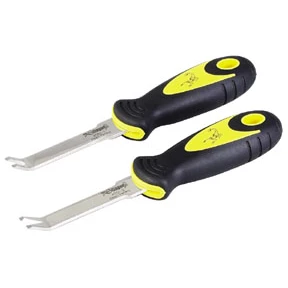
Stinger Small Door Panel & Upholstery Tool Set
Mfg: OTC Tools and Equipment
Part #: 4551

Frequently Asked Questions
Can small cigarette burns be repaired without replacing the entire headliner?
Yes, burns under 10mm diameter can be effectively repaired using professional fabric repair techniques or quality patch kits. Results are typically 80-90% invisible from normal viewing distance, though close inspection will reveal the repair. Professional upholstery repair specialists achieve better results than DIY patches by precisely matching color and texture.
How long does complete headliner replacement take?
Basic vehicles without complex systems require 2-3 hours for removal and installation. Modern vehicles with curtain airbags, integrated electronics, or designs requiring windshield removal take 4-6 hours. Additional time is needed if windshield removal is necessary—add 2-3 hours for glass removal and reinstallation plus 24-hour cure time for urethane adhesive.
What causes headliners to sag after replacement?
Sagging results from insufficient adhesive coverage, contaminated bonding surfaces, or improper adhesive cure time during installation. OEM replacement headliners rarely sag if installed correctly. Recovered headliners depend on thorough removal of old adhesive residue and complete coverage with fresh spray adhesive that receives proper flash-off time before fabric application.
Are salvage yard headliners a reliable replacement option?
Salvage headliners from low-mileage, well-maintained vehicles provide cost-effective alternatives to OEM parts, typically at 40-60% savings. Inspect carefully for sun damage, odors, and hidden damage not visible in photos. Request the headliner be removed and photographed flat to reveal sagging or staining. Factor in professional cleaning costs if smoke odor is present.
Will headliner replacement affect my vehicle’s airbag systems?
Headliner replacement doesn’t directly affect airbag function if electrical connections are properly maintained. However, curtain airbags deploy from behind the headliner and require careful attention during removal. Never disable airbag systems without following proper service procedures. Test all electrical functions after installation and clear any diagnostic codes that may have set during service.
Can I recover my existing headliner instead of replacing it?
Yes, professional upholstery shops recover headliner boards by stripping old fabric and applying new material. This costs $200-$400 typically and allows custom fabric selection. The process requires removing the headliner board from the vehicle, so labor for removal and reinstallation is similar to full replacement. Recovering works well for older vehicles or custom applications where exact OEM appearance isn’t required.
Plastic Repair Materials for Headliner Work
Professional headliner repairs often require specialized plastic repair compounds and adhesive systems. Whether you’re patching small burns or recovering an entire headliner board, quality plastic repair materials ensure durable results that match OEM specifications.
- Flexible plastic adhesives and bonding compounds for headliner substrate work
- Color-matched repair mediums and texture compounds for burn restoration
- Spray adhesives and foam backing materials for recovering applications

The Toolsource Technical Team blends decades of real-world automotive service experience with up-to-date technical research. Our writers collaborate with professional mechanics, shop owners, and diagnostic specialists to deliver practical, workshop-ready guidance you can trust.


Follow us on social media