
Whether you’re refreshing a daily or doing a full color change on a project car, paint is one of the most expensive single jobs you’ll buy. Prices vary widely, but the scope shouldn’t be a mystery. This guide breaks down what deliverables to expect at common budget tiers, what prep you can safely do, how to vet a shop, and how to inspect the finished work before you hand over the final payment. The goal is simple: eliminate tape-line surprises, avoid flaking edges and overspray, and make sure you receive the quality you paid for.

What Different Budgets Should Include (Scope by Tier)
Shops price by a mix of labor hours and materials. The biggest variables are disassembly (R&I), bodywork time to make panels straight, the paint system (single-stage vs. base/clear), and whether you’re changing color including jambs and hidden areas.
Use these tiers as a reality check when reviewing estimates:
- Approx. $1,000–$2,000 (economy refinish): minimal disassembly; mask-around trim; single-stage or low-tier base/clear; basic masking; no jambs; no cut-and-buff; booth time is short; limited warranty. Expect visible tape lines around glass and emblems if not removed. Suitable for work trucks or drivers where perfection isn’t the goal.
- Approx. $3,000–$6,000 (mid-tier respray): moderate R&I of trim/handles/lights; base/clear with name-brand materials; jambs only if quoted; defects addressed but not show-level straightening; better masking with back-masking on edges; light cut-and-buff on horizontals. Decent durability and appearance if prep is competent.
- Approx. $8,000–$12,000+ (full refinish/color change): comprehensive R&I including glass, seals, handles, lights, belt moldings; jambs and under-hood edge work included; high-solids base/clear from a premium line (Axalta/PPG/BASF/Sherwin-Williams equivalent); proper sealer, controlled booth environment, and full cut-and-buff after cure. Documentation, spray-out cards for color approval, itemized materials, and a warranty. At this price, taped glass or obvious tape lines are not acceptable.
Special finishes (triple-stage pearls, complex metallic reds, or rare colors) increase material cost significantly. Expect a higher line item for materials on these jobs and more time for spray technique (metal flake orientation, uniformity, and blending).
Pre-Paint Prep You Can Safely Do (And What to Avoid)
You can save money and improve results by doing careful prep without compromising the final finish. Poor DIY prep (heavy filler use, silicone contamination, or leaving bare steel unprotected) will cost you more in rework.
Do this:
- De-trim thoughtfully: remove emblems, plates, wipers, mirrors, lamps, door handles, and belt moldings. Bag and tag fasteners. Photograph each step for reassembly.
- Strip failing clear and paint strategically: use a DA with 80–120 grit to remove delamination and feather-edges. Finish exterior panels you touch at 180–220 so the shop can prime. Avoid chemical strippers unless the shop okays them.
- Surface cleaning: wax and grease remover before sanding, between stages, and before handoff. Keep silicone products (tire dressings, interior shine) away from the work area.
- Rust control: take rust to bright metal, treat pitting, and cover with epoxy primer the same day to prevent flash rust. Mark any perforations for the shop to quote properly.
- Masking for transport only: protect glass and interiors with breathable covers, not tight plastic that can imprint. Final masking should be done by the shop.
Avoid this:
- Overusing filler: more than ~1/8 inch of body filler is a structural and longevity risk. Thin polyester glazing putty over epoxy or 2K primer is fine for pinholes.
- Leaving bare metal: if you strip to metal, apply epoxy. Bare steel flashes quickly and compromises adhesion.
- Silicone near the car: products with silicone cause fisheyes that require retarding agents or full resand.
- DIY jambs: without proper edge-breaking and back-masking, you’ll create brittle edges that lift.
Quick Pre-Drop-Off Checklist
- All trim/emblems removed, bagged, labeled
- Problem areas circled with low-tack tape and noted with photos
- Rust to bare metal; epoxy applied same day
- No silicone products used for 2+ weeks around the car
- Paint code and target color samples on hand
How to Vet a Body Shop for a Color Change
Quality is mostly process. Use a shop visit to verify that their process matches the quote.
- Facility and equipment: enclosed, ventilated booth; clean mixing room; water/oil separators on the airline; dedicated HVLP guns for primer, base, and clear; proper lighting. Ask to see their dust control and bake/curing setup.
- Materials: ask which paint line and clear they plan to use. Request product data sheets (PDS) for primer, sealer, base, and clear. Premium materials have known film build and durability.
- Color match control: do they spray test panels (spray-out cards) and get sign-off? Critical for complex metallics and reds.
- R&I policy: will they pull glass and weatherstrips for a color change? If not, walk. Proper edge coverage and corrosion protection require removal, not just masking.
- Documentation: itemized estimate with labor hours by category (bodywork, R&I, masking, jambs, spray, cut-and-buff) and a material list. Ask for a written workflow and QC checkpoints.
- Credentials and portfolio: I-CAR/ASE training helps, but finished cars matter more. Inspect edges, jambs, and panel straightness on their past work in bright light. Talk to past customers if possible.
- Warranty and rework: get a written warranty for adhesion, peeling, and clearcoat failure. Confirm their punch-list process and turnaround for corrections.
Building a Defensible Estimate and Payment Schedule
For a small coupe/hatch color change with glass-out and jambs, reasonable ranges look like this (conditions vary):
- R&I glass, weatherstrips, trim, handles, lamps: 12–25 hours
- Bodywork to straighten panels (dents, waves, feathering): 20–80+ hours depending on condition
- Prep, masking/back-masking, edge break: 8–16 hours
- Jambs, under-hood edges, fuel door, trunk seams: 8–14 hours
- Spray sealer/base/clear (including flash/cure cycles): 6–12 hours
- De-mask, reassembly, alignment, leak test: 10–20 hours
- Cut-and-buff (DA sand 1500–3000, compound, polish): 8–16 hours
- Materials (epoxy, high-build, sealer, base, clear, reducers, hardeners, tape, paper, strainers): $800–$2,000+; complex pearls/metallic reds often land toward the top end
Payment structure that protects both sides:
- Deposit covers materials only after parts list is approved.
- Milestone draws at completed stages with photos: R&I completed, bodywork blocked and primed, jambs sprayed, exterior sprayed, cut-and-buff done.
- 10–20% holdback until final inspection and punch list sign-off.
- All changes require signed change orders with revised hours/materials.
Delivery Day: A Technician’s Inspection Walkthrough
Bring: bright inspection light (5000–6500K), low-tack tape and notepad, nitrile gloves, paint thickness gauge (DFT mil gauge), microfiber towels, and a hose for leak checks if the shop allows.
Inspection sequence:
- Global view: inspect under both daylight and color-corrected light. Evaluate orange peel uniformity compared to OEM texture (or to your agreed target). Look for color uniformity across panels.
- Edges and jambs: run a gloved fingertip along every edge. You should feel a smooth edge break, not a sharp ridge. No visible tape lines on a premium job. Check door, trunk, and hatch jambs for complete coverage and consistent gloss.
- Glass and trim areas: no overspray, no paint bridging onto seals. On glass-out jobs, seals should be refit evenly and without paint tearing at the edge.
- Defects: mark runs/sags, dry spray, dirt nibs, fisheyes, solvent pop, or sand scratch swelling. Isolated dust nibs can be nib-sanded and polished; systemic texture or color issues mean panel respray.
- Panel straightness: sight down the sides under raking light to reveal waves. High-build primer and blocking should have eliminated obvious ripples at premium pricing.
- Hardware and alignment: verify even panel gaps, flush alignment, and that fasteners and clips are replaced where required. Look for tool marks and missing hardware.
- DFT measurements: check representative spots (center and edges). Typical base/clear refinish after cut-and-buff is ~4–7 mils total. Large swings may indicate excessive filler or thin edges at risk of early failure.
- Leaks and functions: with the shop’s okay, a gentle hose test around glass and weatherstrips. Test windows, locks, mirrors, lights, wipers, and washer nozzles.
- Underhood and trunk: look for consistent color and sealer, no overspray on wiring, hoses, or radiators. Verify ground points are paint-free or re-established.
Document everything with dated photos and create a punch list for the shop to address before final payment. A competent shop expects this.
Common Defects, What’s Fixable, and What Requires Rework
- Dirt nibs in clear: fixable with 1500–3000 grit spot sand and polish.
- Runs/sags: local sanding and polish can rescue small sags; heavy runs usually require panel respray.
- Dry spray/roughness: if widespread, the panel needs re-spray. Local polishing won’t fully correct texture from under-atomization or poor gun distance.
- Orange peel mismatch: light texture can be refined by cut-and-buff; severe peel mismatch is a respray issue if expectations were set for a smoother finish.
- Fisheyes (craters): contamination; isolated ones can be filled and polished; systemic fisheyes require stripping that coat and re-spraying after decontamination.
- Tape lines at seals and glass: unacceptable at premium pricing. Proper R&I eliminates this. Respray after removal is the remedy.
- Edge lifting/flaking: indicates poor edge prep or masking. Requires sanding back, proper edge break, and re-coat.
Aftercare matters: allow proper cure time before washing (often 7–14 days for hand wash; 30+ days before wax/ceramic unless the system is accelerated-cure and the PDS says otherwise). Avoid pressure washing edges early on. If you plan PPF or ceramic, coordinate cure windows with the painter.
If Quality Misses the Mark: How to Push for Remediation
Stay factual and organized. You want a corrected outcome or a fair settlement, not a fight.
- Move fast: notify the shop in writing with your punch list and photos. Be specific and tie issues to the estimate or their stated process (e.g., “glass removal included,” “jambs included”).
- Offer a cure period: give them a chance to correct defects with a clear timeline. Reconfirm warranty terms.
- Pay structure: if you held back funds per agreement, release payment as items are corrected. Avoid paying in full before rework is complete.
- Third-party quotes: for unresolved issues, obtain written estimates for rework from another qualified shop. This anchors the value of the deficiency.
- Documentation: keep all communication, estimates, invoices, and photos. If you paid by credit card, your paper trail supports a dispute if needed per card policies.
Most reputable shops will make it right. The combination of a clear scope, milestone photos, and a methodical inspection prevents the majority of disputes.
Tools and Supplies That Improve Outcomes
- Prep and repair: DA sander and sanding discs (80/120/180/220/320/600/800/1500/3000), sanding blocks, guide coat, body filler and glazing putty, seam sealer, plastic and metal spreaders.
- Protection and cleaning: wax and grease remover, lint-free wipes, tack cloths, scuff pads, nitrile gloves, paint suit, respirator with appropriate filters.
- Masking and handling: automotive masking tape (various widths), masking paper/film, back-masking tape, trim and clip removal tools, panel stands and fender covers.
- Coatings and system: epoxy primer, high-build primer-surfacer, sealer, basecoat, clearcoat, mixing cups, strainers, stir sticks, spray-out cards.
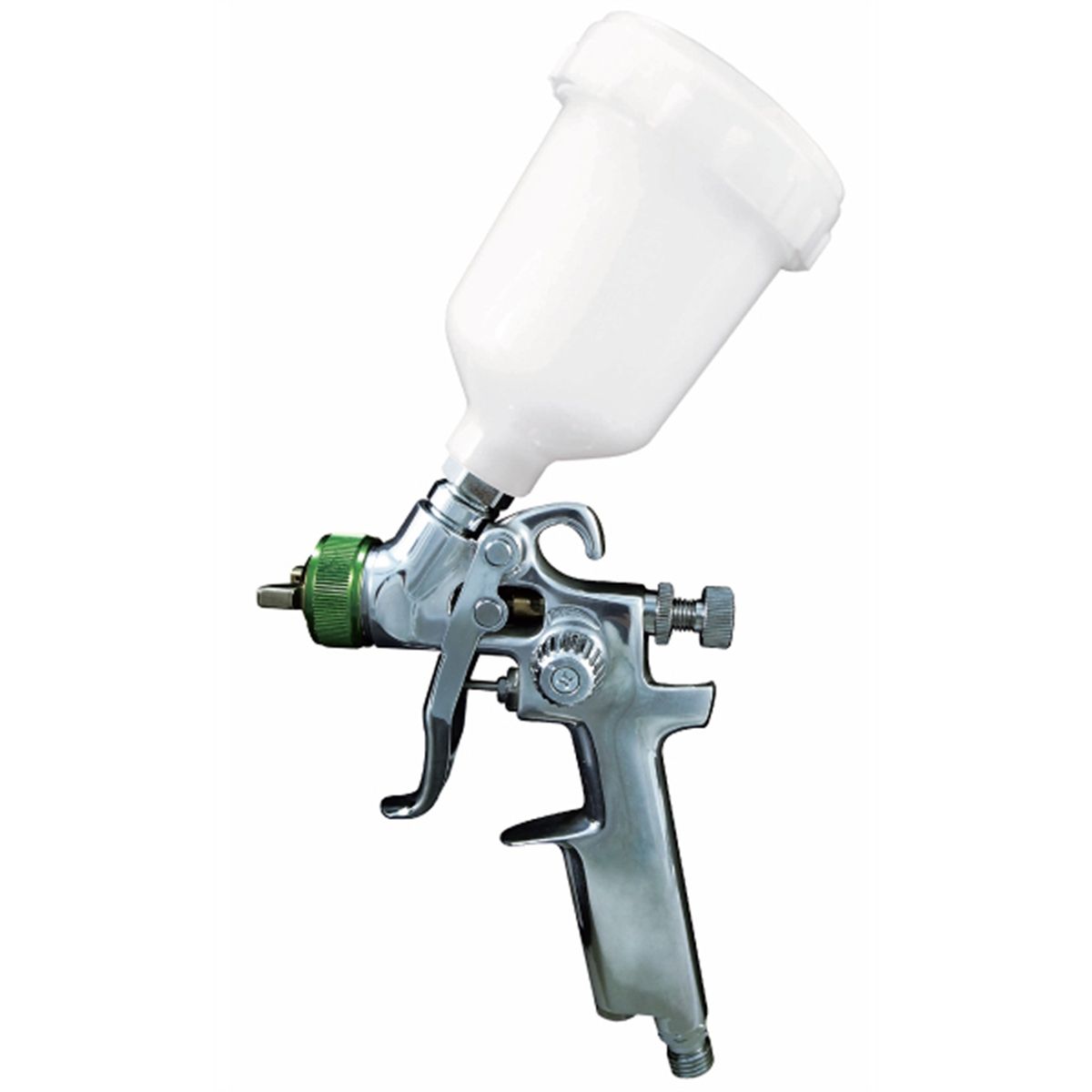
- Air and spray: HVLP spray gun(s), regulators, water/oil separators, air dryer.
- Inspection and finishing: inspection light, paint thickness gauge, microfiber towels, compounds, polishes, foam/wool pads, dual-action polisher, infrared curing lamp (where applicable).
FAQs
Should the shop remove the glass for a color change?
For a premium color change, yes. Proper edge coverage, corrosion protection, and a clean, tape-line-free finish require removing glass and weatherstrips. Masking around glass is a cost-cutting step that often leads to visible lines and premature edge lifting.
Is an economy chain shop a bad idea?
Not necessarily. If you deliver well-prepped panels, pay for their higher-tier base/clear, and accept that they won’t do deep R&I or show-level straightening, you can get respectable results for a driver. Manage expectations and get the deliverables in writing.
Why do metallic reds cost more?
Complex reds and pearls use costlier pigments and often require more coats and tighter spray technique to control metallic flop and saturation. Material volumes are higher, and the risk of visible inconsistencies increases labor time.
How long before I can wash, wax, PPF, or ceramic-coat?
Follow the paint system’s PDS. Typical guidance: gentle hand wash after 7–14 days, no wax for 30–60 days unless an accelerated cure is used. PPF and ceramic installers often require 2–4 weeks of cure. Always defer to the product data sheet and the painter’s booth/cure conditions.
Can the shop buff out every defect?
No. Dust nibs and light texture can be corrected with cut-and-buff. Runs, widespread dry spray, tape lines, or color mismatch typically require panel-level respray. Define what level of cut-and-buff is included in your estimate.
What’s a fair warranty on a repaint?
Common warranties cover adhesion, peeling, and clearcoat failure for 1–3 years on repaints. Wear-and-tear, rock chips, and environmental damage are usually excluded. Ensure warranty terms specify the process (materials and steps) used.
Shop Paint & Body Tools & Supplies
Whether you’re handling prep in-house or finishing a full respray, having the right paint and body tools makes the difference between shortcuts and professional results. Stock your shop with proven equipment and consumables from our paint & body category.
- HVLP spray guns, regulators, air dryers, and water/oil separators
- Sanding discs, blocks, DA sanders, guide coat, and surface prep abrasives
- Masking tape, paper, film, trim tools, compounds, polishes, and inspection lights

The Toolsource Technical Team blends decades of real-world automotive service experience with up-to-date technical research. Our writers collaborate with professional mechanics, shop owners, and diagnostic specialists to deliver practical, workshop-ready guidance you can trust.


Follow us on social media