Tire Inflators and Tire Pressure Gauges
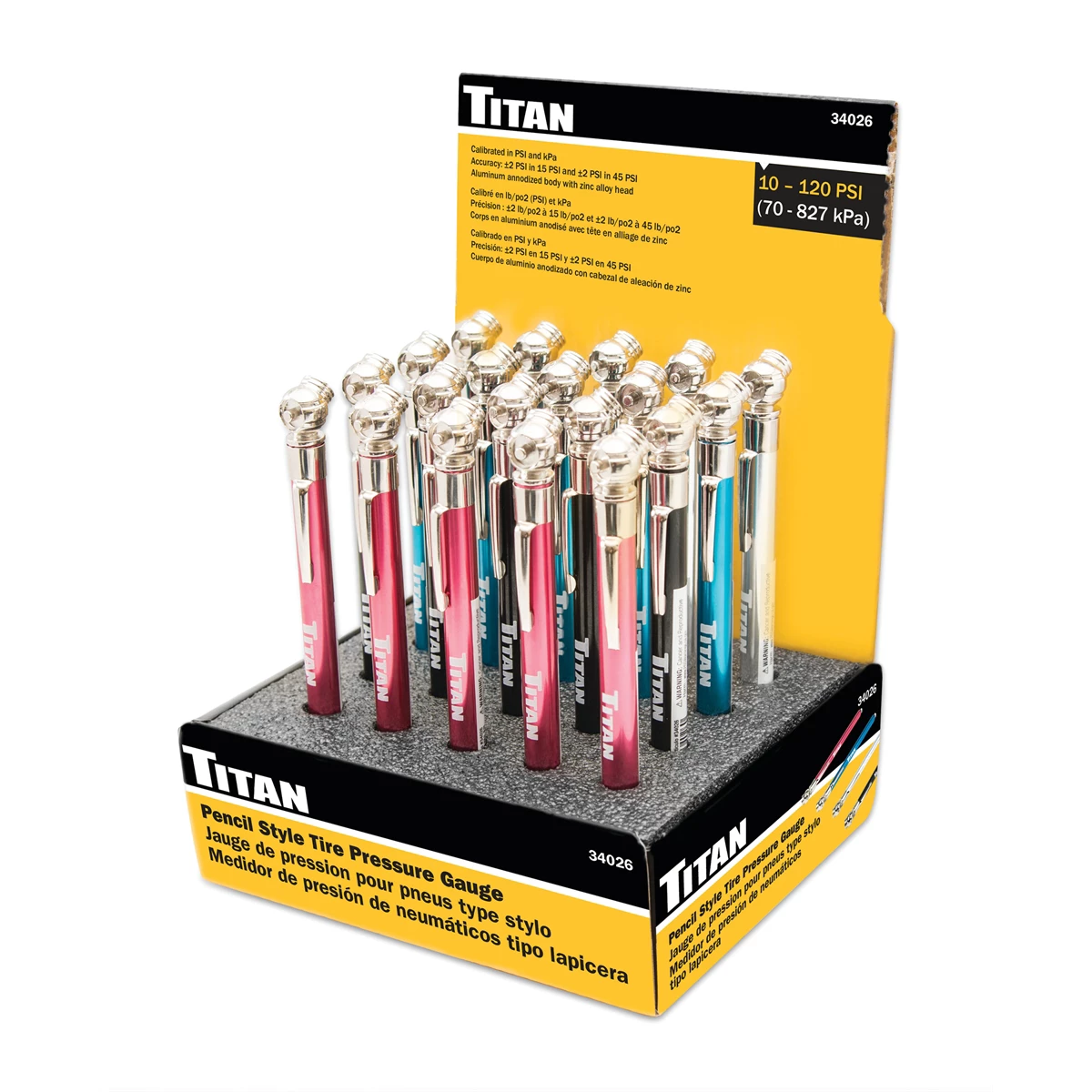
Setting tire pressure is one of the most frequent jobs in any shop, and it affects tire wear, handling, braking and fuel use. Tire inflators connect a compressed air line to the valve stem and add or let out air while a gauge shows the pressure. Tire pressure gauges check pressure without adding air. Tire shops, auto repair technicians, fleet and truck shops, service stations and DIY owners use them every day.
Types of inflators and gauges
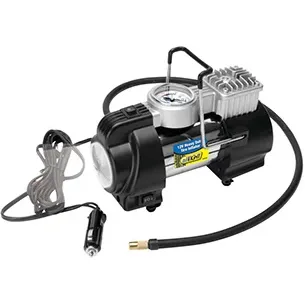
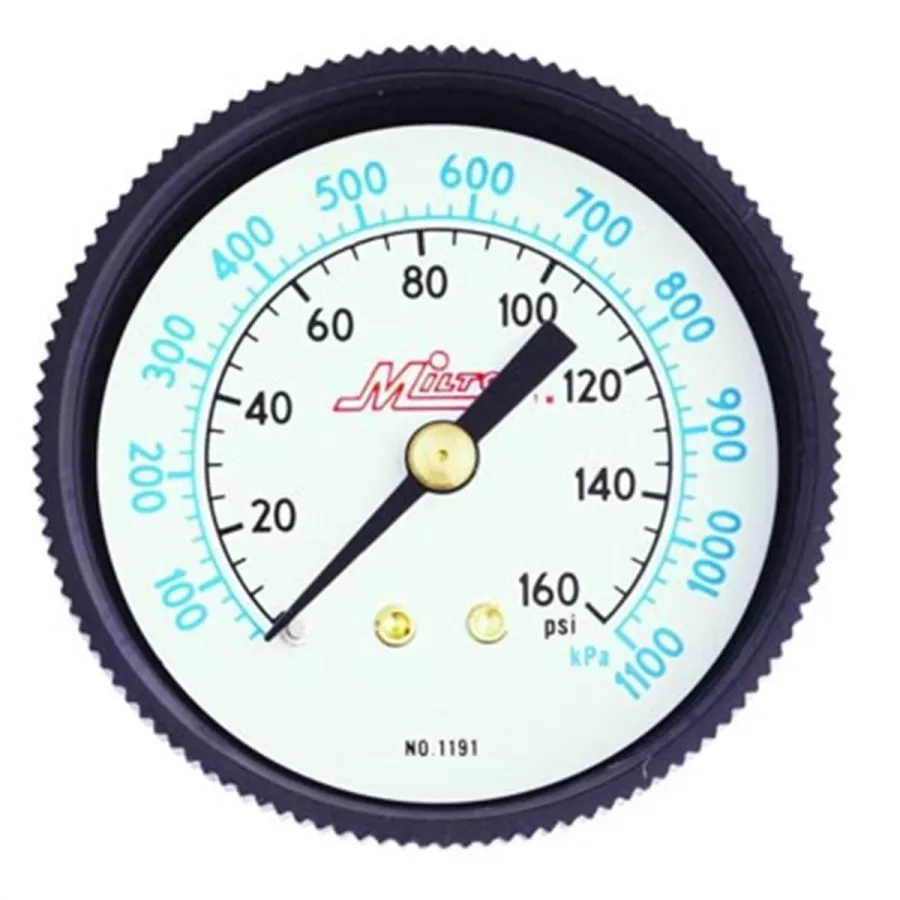
Dial inflators use an analog gauge face that is easy to read at a glance, while digital inflators show the reading on a display. Pistol grip inflators combine a trigger, a bleed valve and a chuck in one hand tool. Dual head truck gauges and chucks reach both the inner and outer valves on dual wheels. Multi-tire inflation systems fill several tires at once, and replacement gauges, chucks and hoses keep inflators in service.
Choosing the right tool
Match the gauge range to the work: a passenger car gauge reads in finer steps, while truck work needs a higher range, such as the 160 PSI and 255 PSI gauges found here. Pick a chuck style that suits the valves you service, whether straight, angled or dual head. Shops that set many tires a day often prefer a digital inflator for its easy reading, while a dial gauge needs no battery.
Good practice
Set pressure to the figure on the vehicle placard rather than the maximum on the tire sidewall, and check tires cold when possible. Compare gauges against a known reference from time to time so readings stay trustworthy. Keep chucks clean and replace worn chuck seals, since a leaking chuck lowers pressure while the reading is taken. On dual wheels, check both tires, because a low inner tire is easy to miss.
Brands here include Milton, Haltec, Ken-Tool, Acme, Performance Tool and Prevost.












































Follow us on social media