Plastic Repair: Welders, Rods and Supplies
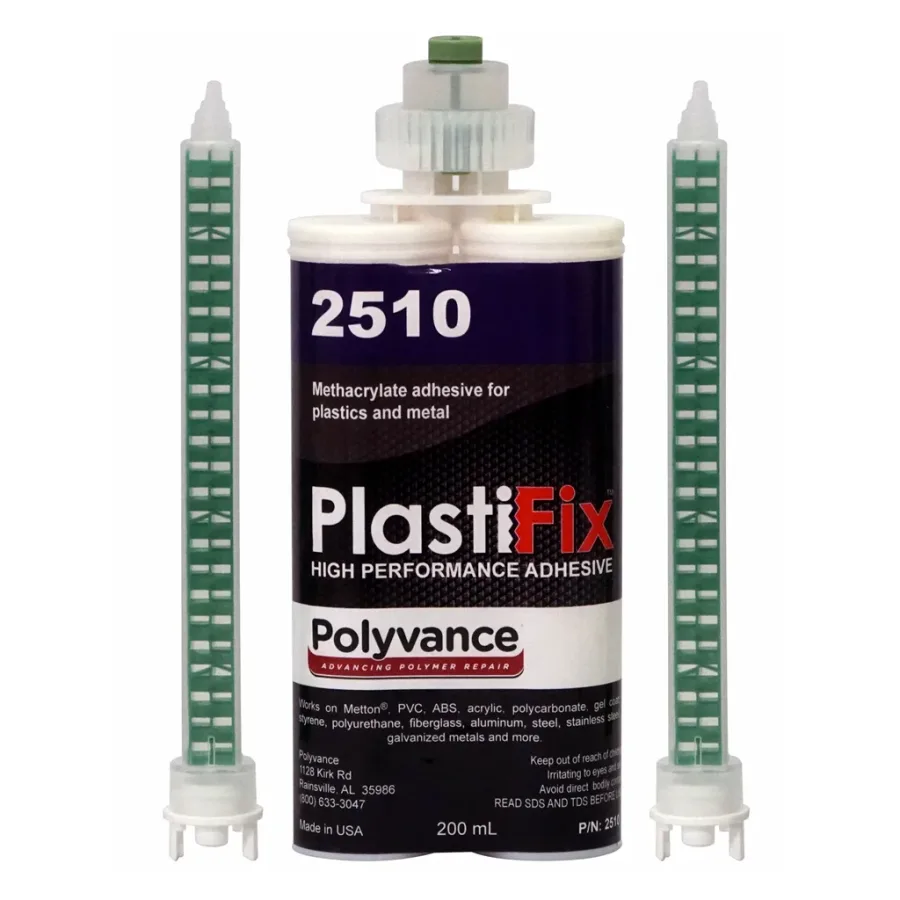
Bumper covers, grilles, headlamp tabs and interior trim on modern vehicles are mostly plastic, and many cracks, tears and broken tabs can be repaired instead of replaced. This category holds plastic welders and airless welding units, welding rods and ribbon, staples, heating elements and repair supplies. Collision repair shops, bumper repair specialists and restorers are the main users.
How plastic welding works
An airless plastic welder heats a filler rod and the base plastic together so they fuse, much like welding metal but at far lower heat. Hot staples melted into the back side of a crack hold the two sides in line and add strength before the surface is finished. Many repairs use both: staples behind for strength, then welding on the face to fill and smooth the crack.
Matching the rod to the plastic
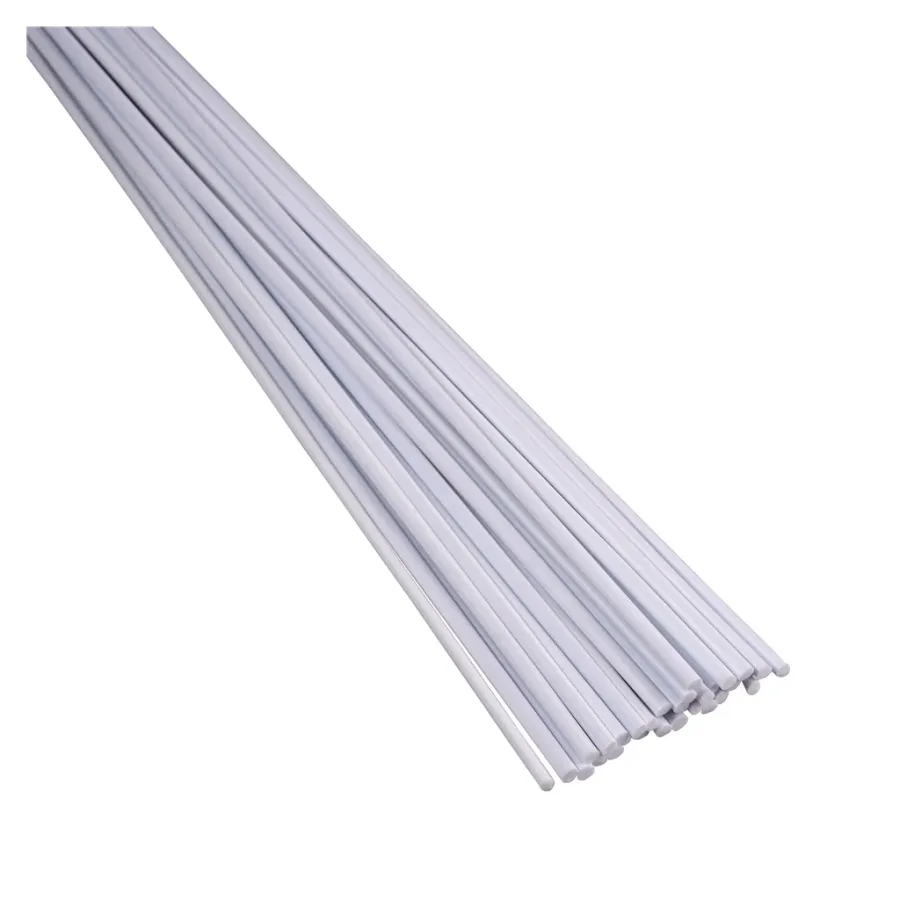
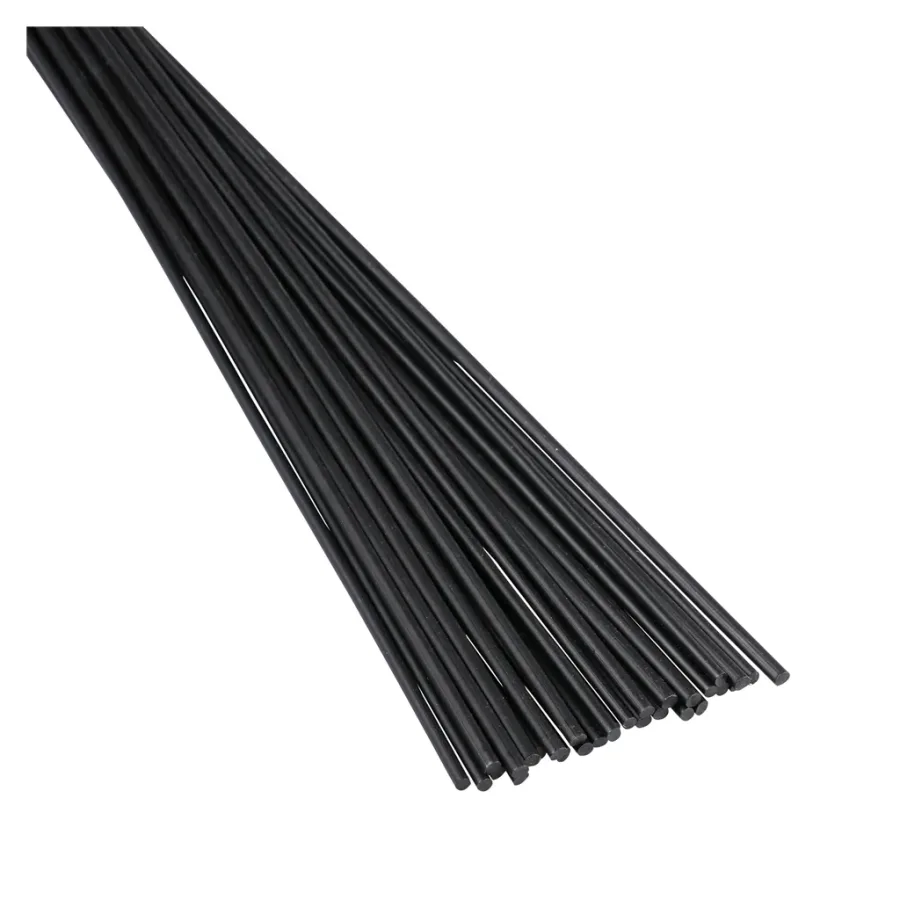
Welding rod has to match the plastic being repaired. Look for the identification code molded on the back of the part, such as PP for polypropylene or PUR for polyurethane, and choose rod of the same material. Rod comes in round and flat ribbon shapes and in colors such as natural and black. A mismatched rod will not fuse, and the repair will crack again.
Using them
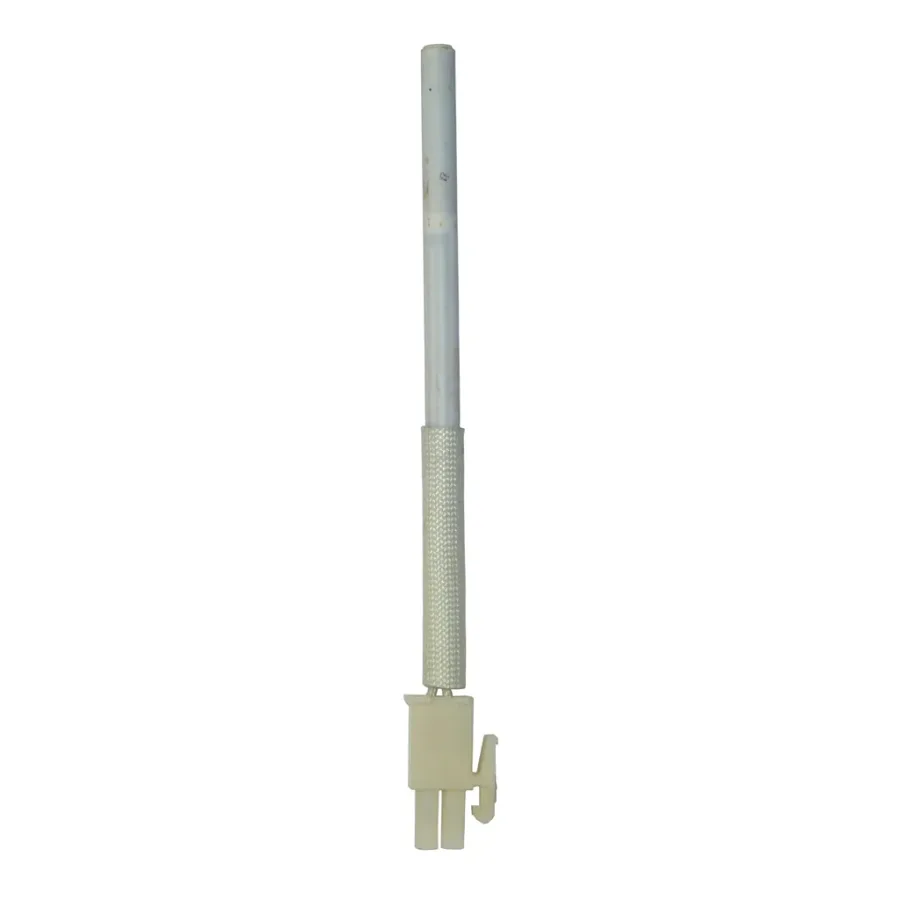
Clean the part, groove the crack and tack it from the back before filling the front. Let the weld cool on its own, then sand and finish with flexible filler and primer made for plastic. Replacement heating elements and tips keep a welder working, so keep a spare on hand for busy weeks. Practice on a scrap bumper of the same plastic before the first customer repair. Fillers and spreaders are in Body Fillers and Spreaders.
Brands here include Urethane Supply, Polyvance, Dent Fix, Motor Guard and 3M.

































Follow us on social media