
Older Mercedes models from the mid-to-late 1990s (including many W463 G-Class variants) use a flip-style or fixed fob with a removable, side-milled key blade and an immobilizer system separate from the remote locking. When one of these keys breaks—especially the metal blade—parts availability, dealer requirements, and programming quirks can complicate a simple fix. This guide gives technicians and advanced DIYers a practical, step-by-step path to restore function quickly, preserve the customer’s immobilizer data, and plan long-term solutions if OEM keys are backordered.
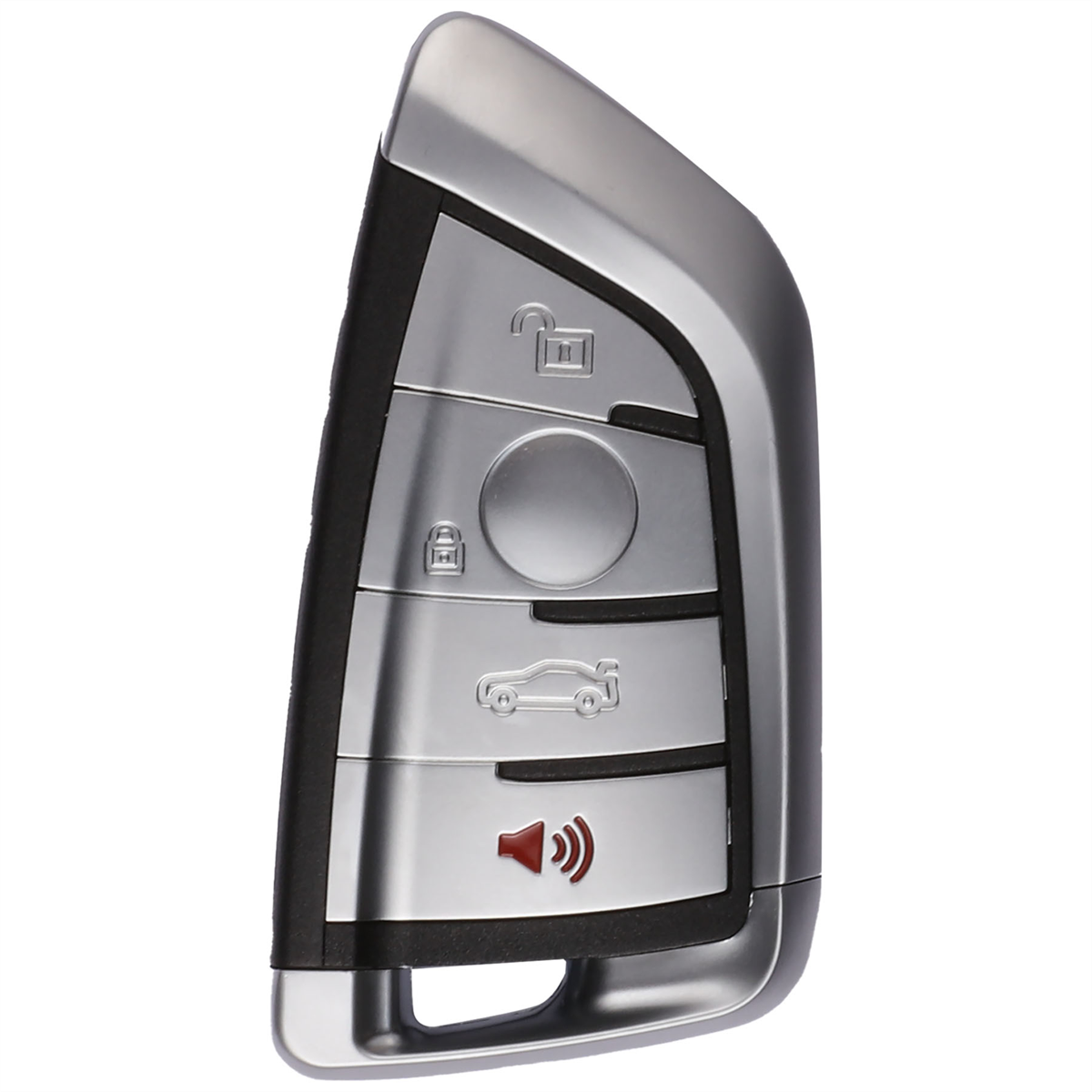
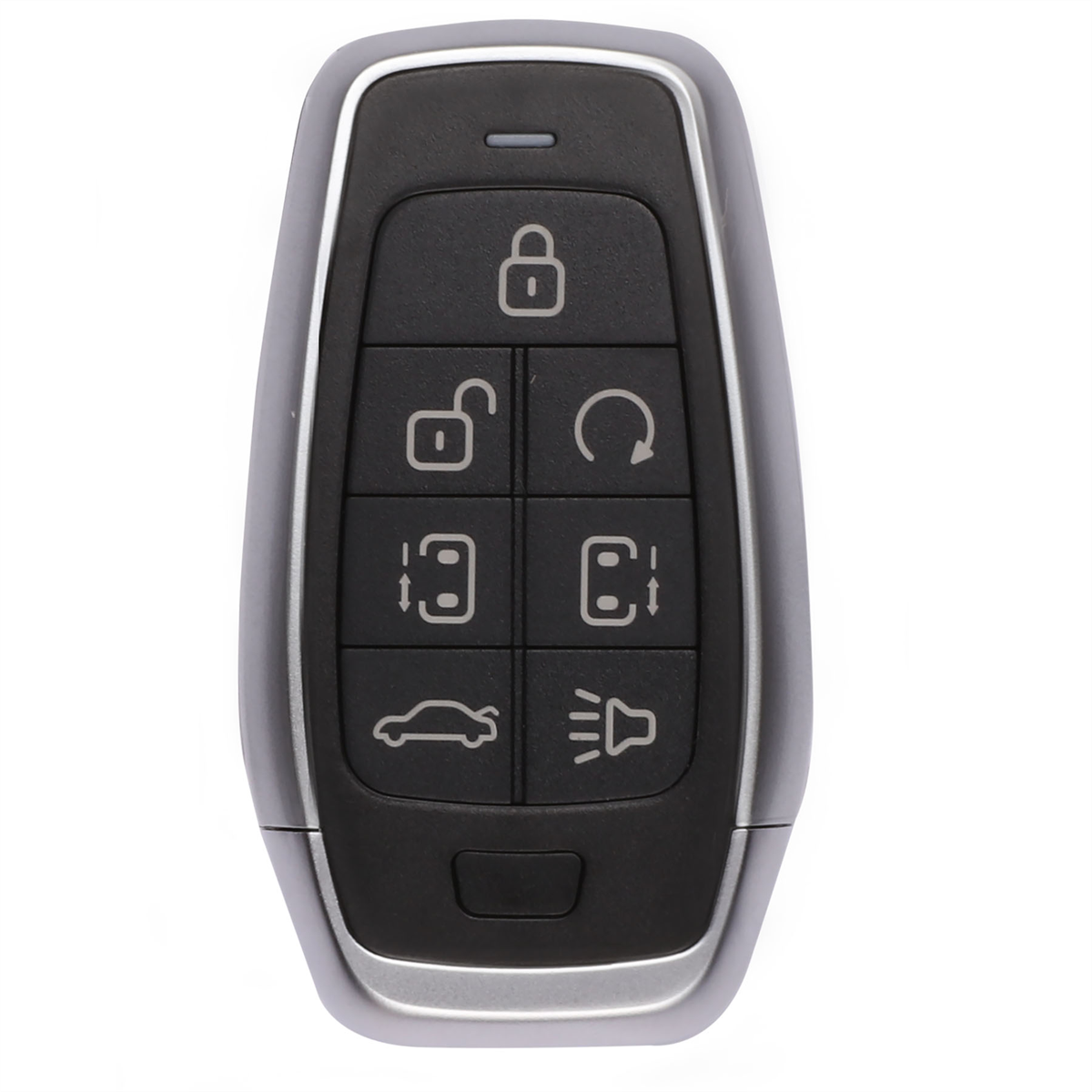
Identify the key type and what functions you’re trying to restore
Before cutting anything, confirm what you have and what the customer needs right now:
- Blade profile: Most 1990s Mercedes passenger vehicles and G-Class of the era use an HU64 side-milled (“laser cut”) profile. Verify with a key gauge or reference chart.
- Fob style: Many use an infrared (IR) remote for lock/unlock with an insertable blade. The IR remote communicates with a receiver in the door handle or near the mirror. The immobilizer is separate.
- Immobilizer vs remote: If the car starts but the remote won’t lock/unlock, the transponder is still recognized and the issue is remote/battery/sync. If the car won’t start but the remote works, the immobilizer chip isn’t being read or is mismatched.
- Blade retention: On many 90s Mercedes fobs, the blade insert is held by a small roll pin. That makes blade transplants fast if you have a correct HU64 insert.
- Transponder location: Depending on the variant, the immobilizer chip may be a small glass or epoxy “pill” in the case, sometimes separate from the PCB. Handle the fob gently and avoid disturbing the chip during any case work.
- Door lock layout: Some G-Class models only have a mechanical lock on the passenger door. Plan testing and customer instructions accordingly.
Goal setting matters. If you can get the vehicle starting and the doors opening immediately with minimal parts (e.g., a fresh blade in the original fob), you can circle back later for remote repair or full replacement when OEM parts are available.
Fastest path: cut an HU64 blade and transplant it into the working fob
If the customer’s original fob electronics and immobilizer are good, the quickest repair is to install a freshly cut blade into that fob. This avoids immobilizer programming entirely.
Workflow:
- Source the correct blade insert: Obtain an HU64 blade insert compatible with the customer’s fob shell. Many aftermarket fob shells include a blade that can be removed and swapped into OEM shells. If you only have a generic HU64 blank (no insert), consider the interim approach in the next section.
- Decode and cut: Use a capable sidewinder cutter (e.g., Futura Auto, Condor, similar) and decode the key. Options:
- Cut by code (if code known).
- Clone the existing key using optical/electronic decoding.
- Pick/decode the door lock with an HU64 2-in-1 tool if no working blade exists, then cut to the decoded bitting.
- Bench setup: Use a clean, well-lit bench. Lay down a parts mat. Have a 1.0–1.5 mm pin punch, small bench block, fine tweezers, and low-tack tape. Photograph the fob assembly before you start.
- Remove the roll pin: Support the blade carrier on the bench block, align the punch with the roll pin, and tap lightly. Keep a hand over the work to prevent the pin springing away.
- Extract the broken blade and test-fit the new one: Ensure the shoulder and detents align exactly. The fit must be precise to avoid wobble.
- Reinstall the roll pin: Start the pin by hand, then tap flush. Do not overdrive; you want firm retention without distorting the carrier.
- Function test: Verify the blade fully inserts into the door and ignition, turns smoothly, and retracts correctly if it’s a flip key. Confirm the vehicle starts. If the remote previously worked, test lock/unlock and resync if needed.
- Record the bitting and job details: Save the depth/space sequence for future service. Label the customer’s file with “blade transplant—immobilizer unchanged.”
Notes and pitfalls:
- Do not disturb the immobilizer chip. If it’s a separate glass capsule, it must remain in the original fob shell. If you replace the entire shell, move the chip carefully and verify its exact orientation/location per shell design.
- IR remotes often use CR2025 batteries (some use other coin sizes). Replace in pairs if the design uses two cells. After replacement, resync if remote commands fail.
- A proper HU64 cut should not bind. Binding suggests decode/cut error or a worn cylinder. Lubricate with a non-staining lock lube, not heavy grease.
No correct insert available today? Pair a standalone HU64 cut with the original fob
When the correct blade insert is unavailable, cut a standard HU64 blank that fits the locks and coach the customer to use it with their original fob.
How to use:
- Starting the vehicle: Hold the original fob (with the immobilizer chip) near the ignition ring while turning the separate mechanical key. The car will start if the transponder is recognized.
- Doors: Use the cut HU64 to unlock/lock manually. On models with only a passenger-side key hole, instruct the customer on the expected behavior.
Pros/cons:
- Pro: Immediate drivability without immobilizer programming.
- Con: Less convenient; customer carries a fob and a separate key. Not ideal long-term.
- Upgrade path: When a correct blade insert or a quality aftermarket fob shell arrives, swap the newly cut blade into the original fob.
Technician tips:
- Code preservation: Store the decoded bitting so you can make additional blades quickly.
- Customer education: Explain the difference between immobilizer recognition (start) and remote locking (convenience). Many assume the remote and immobilizer are the same function.
Remote lock/unlock vs immobilizer: batteries, resync, and when programming is required
Understanding these 1990s systems saves time and avoids unnecessary programming:
- Immobilizer (drive authorization): Authenticates a transponder near the ignition. If you transplant only the blade and keep the original fob with its chip, no immobilizer programming is needed.
- Remote lock/unlock (often IR): Sends a separate signal to the vehicle’s central locking. If the remote stops working but the car still starts, you have a remote-side issue (battery, IR LED, button pads, receiver, or sync), not an immobilizer issue.
Common service actions:
- Battery replacement: Install fresh coin cells (commonly CR2025; verify the specific key) with correct polarity. Clean contacts lightly if corroded.
- IR remote test: Use an IR tester to confirm the remote outputs a signal. If no output, inspect the PCB, buttons, and solder joints.
- Remote resync: Many 1990s Mercedes require a short resync procedure after battery changes (e.g., point at the receiver and press a button, then cycle the key in the ignition within a specified time). Procedures vary by model; consult service data.
- Full key replacement/programming: Required if the original immobilizer chip is missing/damaged, or if the customer needs a fully new key. For 1990s Mercedes, this can be specialized. Expect the dealer to require the vehicle and proof of ownership. Some advanced locksmiths can program these with dedicated Mercedes tools; in other cases, reputable mail-in services can generate keys by reading the immobilizer/authorization module.
Programming realities and delays:
- Dealer-only workflows: Many dealers insist on seeing the vehicle and registration/ID before ordering/programming keys. Backorders on OEM assemblies are possible on older platforms.
- Aftermarket capabilities: Specialized equipment can generate and bind keys for older Mercedes systems, but tool coverage varies by year and system (DAS2/DAS3). Verify tool support before quoting.
- Mail-in module services: Some providers can program keys by reading the ignition/immobilizer module on the bench. This reduces the need to immobilize the vehicle at a dealer but requires careful module removal and downtime.
If the blade snapped in the cylinder: extraction and last-resort cylinder replacement
When a broken tip remains in the lock, proceed methodically to avoid damaging scarce parts:
- Inspect first: Use good lighting and a small borescope if available. Confirm fragment orientation and depth.
- Non-destructive extraction: Use key extractors or fine picks designed for side-milled profiles. Gently pull the fragment forward while applying minimal rotational force. Do not hammer inside the cylinder.
- Decide on cylinder removal: If extraction fails, remove the affected cylinder for bench work. For door cylinders, follow trim panel procedures and anti-theft cover removal. For ignition, evaluate whether the vehicle uses a mechanical tumbler with a transponder ring or an electronic ignition switch (EIS/EZS) assembly; removal procedures and risks differ.
- Bench extraction: With the cylinder secured, continue controlled extraction. Avoid drilling unless absolutely necessary; replacements for older Mercedes cylinders can be costly and may require coding to existing keys.
- Replacement path: If the cylinder is damaged beyond repair, outline options: new cylinder keyed to the existing bitting (preferred), or a replacement set with new keys (impacts door/ignition matching). For electronic assemblies, coordinate with a vendor capable of matching the new hardware to the vehicle’s drive authorization.
Always document the state of the cylinder before and after extraction. If third-party custody (e.g., valet) is involved, photos and written notes help the customer with any claims process.
Pricing, timelines, and customer communication
Set clear expectations to avoid frustration:
- Blade-only solution: Cutting a high-security HU64 blade is typically more than a standard edge cut due to machine/tooling overhead. Pricing varies by region; many markets land between modest to moderate labor charges for sidewinder work. A correct blade insert plus transplant is generally the most economical immediate fix.
- Full new key assembly: An OEM-style key with electronics and programming can be significantly more expensive than a blade transplant. Factor parts availability and programming labor.
- Programming lead times: If dealer ordering is required, communicate that the vehicle and ownership documents may be needed on site. Backorders on older keys occur; propose interim solutions (blade transplant or standalone cut) to keep the customer mobile.
- Documentation: Retain the key code/bitting and any IR resync instructions in the customer file. This reduces future downtime and cost.
- Spare key strategy: Encourage customers to maintain at least two working keys, stored separately—especially before long trips. A spare can be a blade-only solution plus the original fob in a pinch.
Bench checklist: safe, repeatable blade transplant
- Confirm HU64 profile and select the correct insert or quality blank.
- Decode the key or door lock; cut on a calibrated sidewinder machine.
- Photograph the original fob orientation and internals.
- Remove roll pin with a 1.0–1.5 mm punch over a bench block; capture the pin.
- Transfer blade; verify precise fit and shoulder alignment.
- Reinstall roll pin flush; confirm secure retention.
- Test insertion and rotation in door and ignition; check flip mechanism if present.
- Verify start (immobilizer) and remote function; replace batteries and resync if needed.
- Record bitting, parts used, and final results.
FAQs
Do I need programming if I only swap the metal blade into the original fob?
Usually no. If the original fob (and its immobilizer chip) remains the same and you only change the metal blade, the immobilizer pairing does not change. Always test start after the swap.
Why does the car start but remote lock/unlock doesn’t work?
The immobilizer transponder and the remote are separate systems. Start authorization means the chip is recognized; a non-working remote points to battery, IR output, resync, or receiver issues. Use an IR tester and perform the model-specific resync procedure after installing fresh coin cells.
What if I can’t source the correct blade insert right away?
Cut a standard HU64 key and instruct the customer to use it with the original fob held near the ignition ring. This gets the vehicle mobile without immobilizer programming. Later, transplant the blade into a correct insert or shell.
Can I clone the immobilizer chip into a new fob for these 1990s models?
Tool coverage varies by year and system (DAS2/DAS3). Some chips can be cloned; others require programming directly to the vehicle’s immobilizer/authorization module. Verify your equipment’s support list before quoting. In some cases, mail-in services or dealer programming are the practical routes.
The blade snapped in the ignition—do I have to replace the cylinder?
Not necessarily. Attempt non-destructive extraction first with proper tools. If the fragment is deeply wedged or the cylinder is damaged, removal for bench work or replacement may be required. Replacement costs and coding vary; exhaust repair options before replacing scarce components.
Why does the dealer require the vehicle and proof of ownership for a key?
Security policy. Mercedes dealers typically verify ownership and may need the vehicle on site to program keys and confirm function. For older models with limited parts availability, plan for possible lead times.
Shop Key Cutting & Locksmith Tools
For HU64 blade swaps on 1990s Mercedes, browse automotive keys and programmer tools you’ll use every day.
- HU64 blades and blade inserts for fob transplants
- Sidewinder/laser key machines and decoders
- Pin punches, tweezers, parts mats, and IR testers

The Toolsource Technical Team blends decades of real-world automotive service experience with up-to-date technical research. Our writers collaborate with professional mechanics, shop owners, and diagnostic specialists to deliver practical, workshop-ready guidance you can trust.


Follow us on social media